

 See My Latest Article on HelloNation
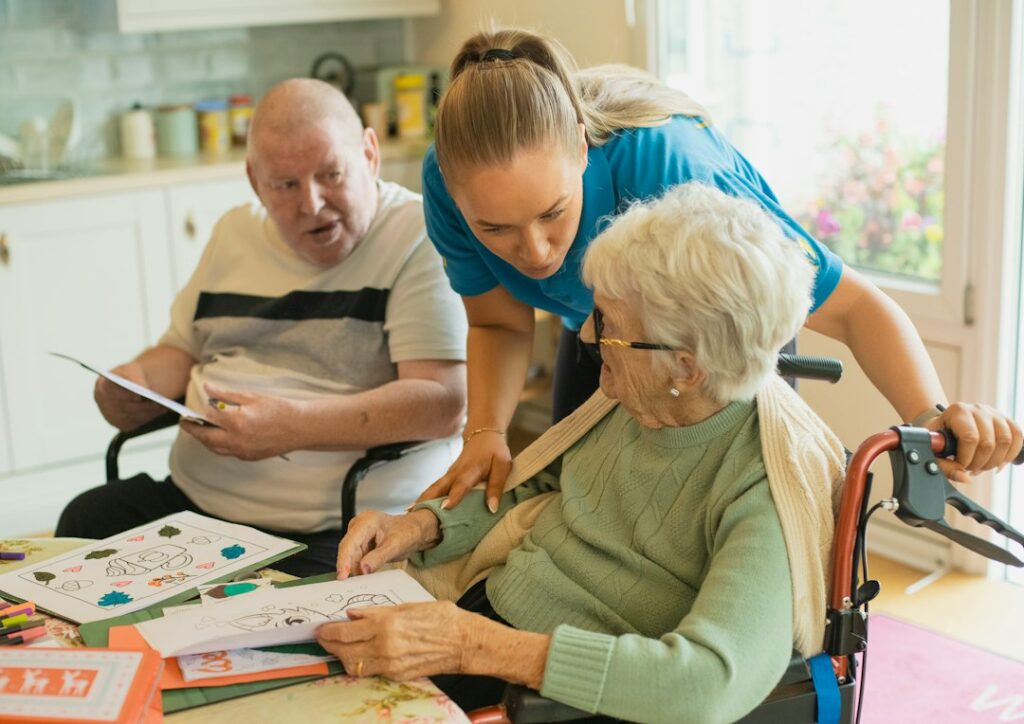
A home visit is a scheduled or sometimes urgent meeting in a person’s residence with a social services worker, case manager, nurse, support coordinator, or another authorized professional. The purpose may be to understand living conditions, assess safety and daily needs, connect a household with assistance, or follow up on an existing service plan.
For residents in West Lafayette, IN, a home visit is usually intended to gather information in a setting where everyday routines are visible. It does not automatically mean that someone is in trouble or that a household has failed to meet expectations.
Why might a social services worker visit a home?
A home visit may be part of an assessment, an ongoing support program, a safety check, or a response to a specific concern. The reason should generally be explained before the visit, unless there is an urgent situation or a legal requirement that changes the usual process.
Common reasons include:
- Assessing whether an older adult can safely remain at home
- Reviewing a child’s living environment and daily care arrangements
- Supporting a person with a disability or chronic health condition
- Discussing housing stability, food access, transportation, or household safety
- Following up after a referral, report, hospital stay, or service enrollment
- Helping develop or update a care plan
- Confirming whether recommended supports are working
A home visit allows the visitor to understand circumstances that may be difficult to explain during a phone call or office meeting. For example, a person may describe difficulty using stairs, managing medications, preparing meals, or keeping a home warm during winter. Seeing the layout and routine can help identify practical solutions.
Will the visit be announced ahead of time?
Many visits are scheduled in advance, but not all are. Planned visits may be arranged by phone, letter, email, or through another agency involved in the person’s care. The message should identify the visitor, the general purpose of the visit, and the expected date or time window.
An unannounced visit may occur when there is an immediate safety concern, a legal investigation, difficulty reaching someone, or a program rule that permits an in-person check. An unexpected visitor does not have unlimited authority to enter. A resident can ask for identification, ask why the visit is occurring, and clarify whether the visit is voluntary or required.
If the timing is unsafe or impossible, explain the situation calmly. A worker may be able to arrange another time, although rescheduling may not be possible in urgent cases.
What happens during the visit?
The visitor will usually begin by explaining the purpose of the meeting and asking questions about the household. The discussion may cover health, mobility, caregiving, finances related to basic needs, transportation, routines, medications, relationships, or recent changes at home.
The visitor may also look at areas connected to the reason for the visit. Depending on the situation, this could include:
- Sleeping arrangements
- Kitchen and food storage
- Bathroom access and cleanliness
- Heating, cooling, water, and electricity
- Walkways, stairs, entrances, and fall hazards
- Medication storage or medical equipment
- Areas where children or dependent adults spend time
A visitor is not necessarily evaluating whether the home is perfectly organized. Social services assessments generally focus on safety, care, supervision, access to basic necessities, and the person’s ability to function. Ordinary clutter, limited furniture, or signs of financial hardship do not by themselves prove neglect or unsafe conditions.
The worker may take notes, complete forms, discuss referrals, or ask permission to speak with another household member. In some situations, photographs or other documentation may be used, but the visitor should explain the reason and applicable rules.
What should a household do before the visit?
Preparation does not require deep cleaning or expensive changes. The most useful preparation is gathering information and making the home reasonably accessible.
Consider having these items available if they relate to the visit:
- Identification and contact information
- Medication lists and medical instructions
- Benefit, housing, school, or care-plan documents
- Names and phone numbers for current providers or support contacts
- Questions about transportation, food, caregiving, or safety
- Records of recent incidents, missed services, or changing needs

Clear a safe path to the entrance, bathroom, sleeping area, and other spaces that may need to be observed. If snow, ice, or heavy rain has affected walkways, mention any access problem in advance. Seasonal conditions can affect home visits, especially for households using mobility devices or relying on outdoor steps.
Pets should be secured if they may become frightened or interfere with the discussion. Household members do not need to hide ordinary belongings or remove all signs of daily life. A realistic view of the home often gives the visitor better information.
Can a resident ask questions or decline parts of the visit?
Yes. Residents may ask the visitor to explain the purpose of a question, why a room needs to be seen, how information will be used, and who may receive the records. It is reasonable to ask what is required by law or program rules and what is simply being requested.
The answer depends on the type of visit. A voluntary support visit is different from a visit connected to a court order, child welfare investigation, adult protective services matter, probation condition, or another legal process. Refusing entry or declining to answer questions may affect how the matter proceeds, so the consequences should be explained rather than guessed.
Residents can also ask whether another trusted adult, interpreter, advocate, or support person may be present. Language access and disability accommodations may be available when needed. If privacy is a concern, ask whether part of the discussion can occur in a separate room or by another method.
What if the home does not meet expectations?
Tell the truth about barriers instead of trying to provide answers that sound acceptable. Social services workers commonly encounter homes affected by illness, limited income, disability, caregiving demands, seasonal heating costs, transportation problems, or recent emergencies.
A concern may lead to a practical plan, such as removing a trip hazard, arranging food support, reviewing medication routines, improving supervision, addressing a broken appliance, or finding a safer sleeping arrangement. The worker may document both problems and strengths.
If a household disagrees with an observation, it can explain the circumstances and provide additional information. Ask what will be written down, what must happen next, and whether there is a review or appeal process. Keeping a personal record of the visit, including dates and agreed steps, can prevent misunderstandings.
Are home visits confidential?
Information shared during a home visit is generally handled under privacy rules that apply to the program or agency involved. However, confidentiality is not unlimited. Records may need to be shared with other authorized agencies, used for safety investigations, or disclosed when required by law.
Before discussing sensitive matters, ask who can access the information and whether notes or reports will be placed in a case file. Avoid assuming that every person in the home should hear every detail. Private conversations may be especially important when domestic conflict, financial exploitation, substance use, abuse, or personal health information is involved.
What happens after the visit?
The next step may be a written plan, referral, follow-up meeting, additional assessment, or confirmation that no further action is needed. Ask for clear information about responsibilities, deadlines, and who will provide updates.
A home visit is best understood as one part of a broader assessment. The visitor is gathering information about real conditions, while the household has an opportunity to describe its needs, correct misunderstandings, and identify supports that could make daily life safer and more manageable.