

 See My Latest Article on HelloNation
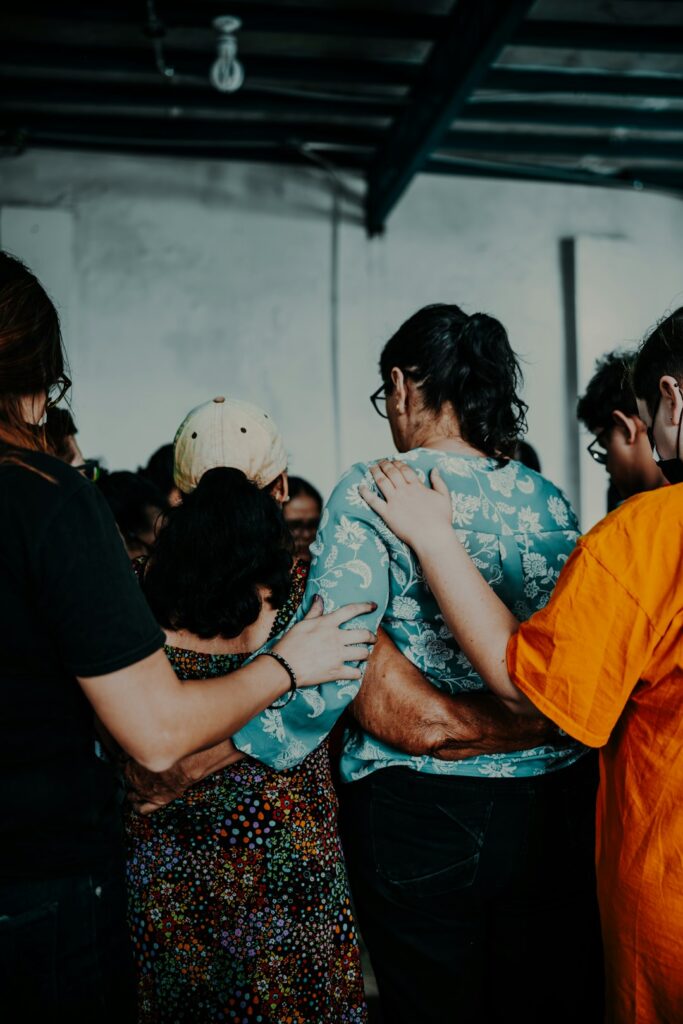
What Immediate Steps Can Survivors Take in West Lafayette, IN?
In the aftermath of domestic violence, personal safety and immediate needs take priority. Residents of West Lafayette, IN facing such circumstances can benefit from understanding safe exit strategies and ways to seek security.
First, ensuring physical safety often means leaving the immediate environment where harm is possible. For many, this could involve:
- Finding shelter with a trusted friend or relative within the community who knows the situation
- Knowing the location of public facilities or community spaces open late, especially during harsh weather
- Keeping essential documents, medications, and phone numbers in a secure, easy-to-access place in case a quick departure is necessary
Creating a safety plan is another core strategy. A safety plan can include:
- Identifying potential escape routes from common areas in the home
- Agreeing on a code word for children or close contacts that signals the need for help
- Listing local emergency contact numbers and community hotlines
Misconception: Some believe that going to a neighbor’s house is always safe, but consider neighborhood privacy, time of day, and the potential for escalation. In small college-town neighborhoods and apartment complexes across the city, reaching out to a neighbor can be helpful—but it’s important to know whom to trust.
How Can Survivors Manage Emotional Reactions and Triggers?
Coping with emotional fallout is an ongoing challenge. Residents commonly report feeling fear, guilt, confusion, or numbness after experiencing domestic violence.
Some strategies that local survivors have found useful include:
- Practicing deep breathing or grounding exercises when feeling overwhelmed
- Setting up safe, quiet spaces either at home (if safe) or in a supportive friend’s residence for calming down
- Using local parks, walking paths, or public spaces in West Lafayette to physically separate from emotionally charged situations, especially when the weather is mild
Journaling or creative expression through drawing, music, or online support forums can help channel emotions in a constructive way. It's normal for emotions to fluctuate in the weeks and months following an incident.
Misconception: "I should be able to handle this on my own." Recovery typically requires support. Connecting with others, even anonymously, often lessens the sense of isolation.
What About Seeking Informal or Peer Support?
Survivors in West Lafayette often discover that informal support from trusted community members can be both empowering and grounding.
Practical ways to seek this support include:
- Talking with neighbors, college peers, or family members who have demonstrated trustworthiness and discretion
- Joining local support circles—residents sometimes find these groups through faith communities, university groups, or neighborhood associations
- Sharing experiences in online groups that focus on small towns or local communities
Remember that opening up doesn’t mean sharing every detail or experience; sharing only what feels safe can start the healing process.
Is Professional Help Always Necessary?
Not every survivor chooses or needs professional counseling immediately, but it can be beneficial, especially when daily functioning is severely impacted. In West Lafayette, there are mental health professionals and public resources dedicated to supporting survivors.
Situations when professional help is particularly crucial include:
- Persistent nightmares, flashbacks, or panic attacks
- Difficulty caring for children or managing everyday tasks
- Risks of self-harm or thoughts of returning to an unsafe environment
Residents sometimes assume only those with visible injuries "need" help. In truth, emotional trauma can have lasting effects regardless of physical harm, and it’s valid to seek support for any level of distress.

How Can Children and Teens Be Supported During Recovery?
Children in area households often witness or experience domestic violence, which can deeply affect their wellbeing. Caregivers in the community can help young people cope by providing stability and clear communication.
A few effective approaches:
- Maintain consistent routines for meals, school, and bedtime—even small rituals can create a sense of normalcy and control
- Encourage open conversations about feelings, but avoid pressuring children to talk before they are ready
- Seek out local youth groups, school-based counselors, or after-school programs, as these can offer extra sources of support and distraction
Misconception: "Children are too young to understand what's happened." Children of all ages sense tension and change, and age-appropriate honesty helps counter confusion or misplaced guilt.
What Can Make Coping Harder in Small College Communities Like West Lafayette?
The character of a university city shapes the survivor experience in several unique ways.
Challenges may include:
- Fear of public exposure or stigma in tight-knit academic and residential circles
- Worry that seeking help could affect school or work life, particularly for those connected to Purdue University
- Difficulty affording or accessing traditional counseling due to student schedules, transportation, or housing status
Nonetheless, West Lafayette’s public resources—like libraries, recreation centers, and trusted community hubs—can offer a degree of anonymity and protection.
How Can Survivors Regain a Sense of Control Over Their Lives?
Rebuilding trust in one’s self and the community takes time. Many local survivors find empowerment through small, manageable steps.
Some examples of regaining control include:
- Setting practical, daily goals—like walking in a favorite park or preparing a healthy meal
- Learning basic self-defense moves through community workshops
- Volunteering, attending local events, or participating in student or resident groups to slowly reconnect with supportive people
Remember, celebrating even small achievements builds confidence and helps shift focus from past trauma toward new possibilities.